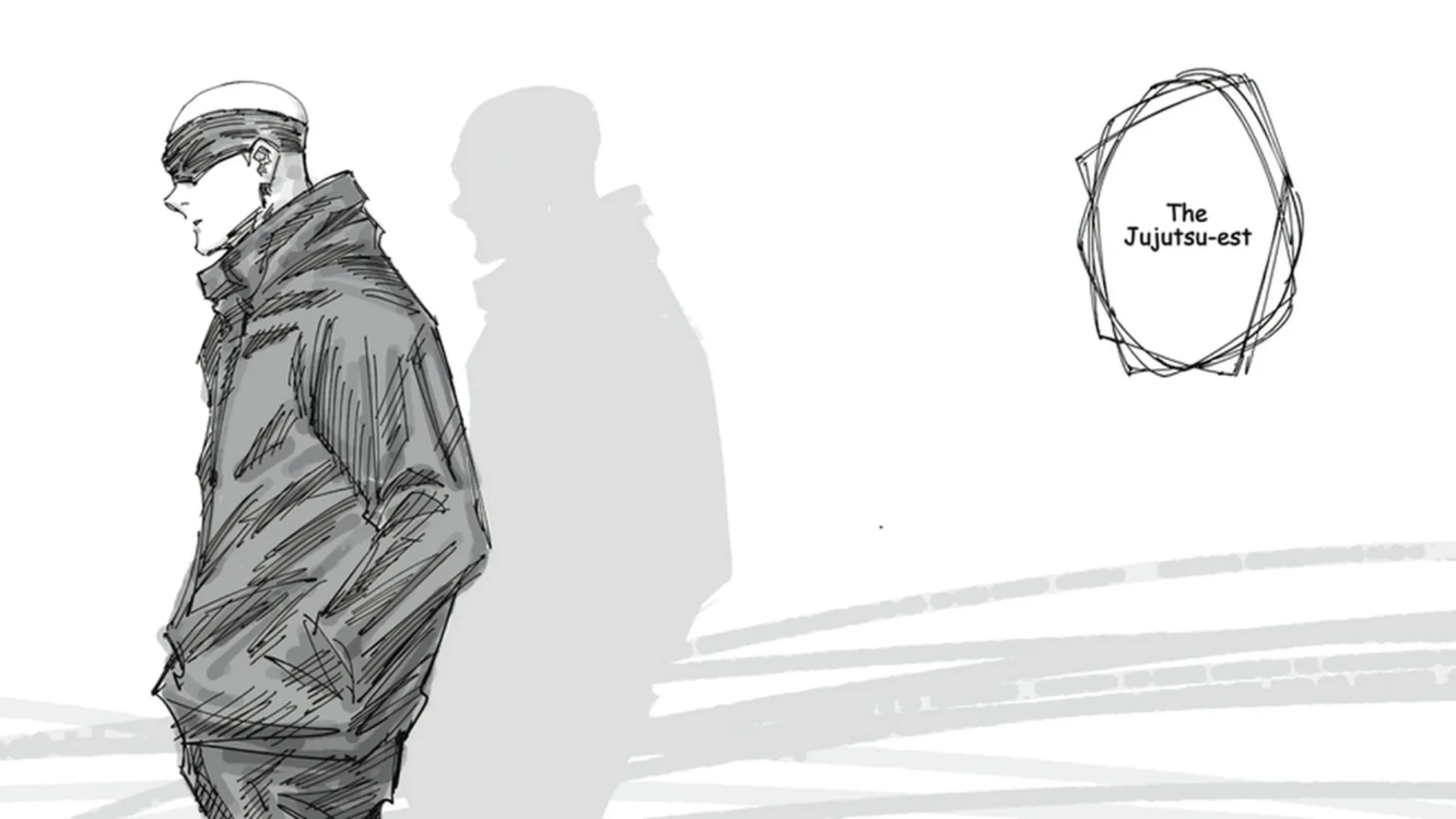
- Jujutsu Shenanigans Yuta uses the Cursed Child Style for flexible offense and team utility.
- Best role: Adaptable fighter with weapon pressure, copied techniques, and strong punish options.
- Main strength: Yuta can change his approach between close-range pressure, punishment, and support.
- Main weakness: His broad toolkit requires careful cooldown management and deliberate ability selection.
- Best habit: Confirm your opening before spending multiple abilities in the same exchange.
Yuta Cursed Child Style Overview
Jujutsu Shenanigans Yuta is represented by the Cursed Child Style, a flexible option built around weapon attacks, copied techniques, pressure tools, and a powerful partner-based identity. Instead of forcing one fixed combat pattern, this Style rewards players who can read the situation and change their plan between offense, punishment, and team support.
Cursed Child is especially useful for players who do not want to specialize exclusively in rushdown or ranged harassment. Yuta can approach with direct attacks, punish missed abilities, or support an ally during a crowded fight. That flexibility makes him a strong choice for players who understand spacing and can track several cooldowns at once.
| Category | Yuta’s Cursed Child Profile |
|---|---|
| Style identity | Versatile weapon and copied-technique fighter |
| Primary role | Adaptable offense and team utility |
| Preferred range | Close to mid-range |
| Difficulty | Medium to high |
| Best strength | Multiple ways to create and convert openings |
| Main risk | Poor cooldown management can leave Yuta vulnerable |
Flexible Offense
- Weapon pressure supports direct close-range engagements.
- Copied techniques provide additional ways to challenge movement.
- Yuta can adjust his attack pattern after reading the opponent.
Punish Potential
- Strong options become more reliable after an enemy miss.
- Use spacing to bait long animations and unsafe attacks.
- Save at least one tool for the punish rather than spending everything early.
Team Utility
- Cursed Child can contribute in coordinated team battles.
- Follow an ally’s confirmed hit instead of starting every engagement alone.
- Flexible tools help Yuta respond to changing battlefield positions.
Choose Cursed Child when you want a broad game plan. It is less forgiving than a simple rushdown Style, but it offers more ways to adapt when the matchup changes.
Strengths, Weaknesses, and Matchups
Yuta performs best when the player treats his toolkit as a set of answers rather than a button sequence. His copied techniques and weapon-based attacks can create pressure from different distances, but each option should have a clear purpose.
The safest approach is to begin with movement and spacing. Once the opponent commits to an attack, use Yuta’s punish tools to take control. If the opponent blocks successfully, avoid repeating the same sequence without adjustment. Change your timing, reposition, or wait for a better opening.
| Situation | Recommended Yuta Approach | Avoid |
|---|---|---|
| Neutral approach | Use movement, spacing, and a controlled attack starter | Dashing directly into active abilities |
| Close-range pressure | Confirm basic attacks before committing to a technique | Spending every skill at once |
| Opponent whiffs | Punish after the animation becomes clear | Attacking too early |
| Team fight | Follow allied pressure and attack exposed targets | Isolated fights against several players |
| Low cooldown availability | Reposition and defend until tools return | Forcing another engagement without an escape option |
What Yuta Does Well
- Adaptable neutral game: Yuta can operate at close and mid-range instead of relying on one distance.
- Strong conversion potential: A confirmed opening can lead into weapon pressure, copied techniques, or a partner-based follow-up.
- Useful in multiple formats: Cursed Child can function in focused duels, public battles, and coordinated team fights.
- High matchup flexibility: The Style can change its priorities depending on whether the opponent relies on zoning, rushdown, summons, or defensive play.
What Requires Practice
- Cooldown awareness: A missed ability may create a long punish window.
- Decision-making: Having more options does not mean every option should be used immediately.
- Positioning: Yuta becomes easier to punish when he loses control of spacing.
- Resource discipline: Save a defensive or escape option before beginning a risky sequence.
Do not treat Yuta’s wide toolkit as permission to chain every move automatically. A predictable sequence becomes easier to block, interrupt, or punish.
Controls and Combat Priorities
The official Roblox control layout lists the core inputs used across Styles: M1 for basic attacks, 1–4 for Style-specific skills, Q for dash, F for block, R for Special, and G for Awakening. Exact interface layouts may differ between PC, mobile, and controller play.
For Yuta, controls matter because the Style depends on switching smoothly between movement, defense, and offense. Learn the universal inputs first, then practice each Cursed Child ability in a controlled setting.
| Action | PC Input | Combat Purpose |
|---|---|---|
| Basic attack | Left Mouse Button | Starts pressure and confirms close-range hits |
| Dash | Q | Approaches, escapes, or changes attack timing |
| Block | F | Defends against predictable pressure |
| Style skills | 1, 2, 3, 4 | Activates Cursed Child’s individual techniques |
| Special | R | Uses the Style’s special move when available |
| Awakening | G | Activates the required power state after meter buildup |
| Jump | Space | Avoids grounded threats and begins aerial movement |
Learn the Basic Attack String
Practice the complete M1 sequence before adding abilities. Your first goal is to recognize when the final hit connects and when the opponent can recover.
Add One Confirming Technique
Choose one Cursed Child ability that reliably follows a confirmed attack. Do not practice the entire moveset at once; build one dependable route first.
Practice Dash and Block Separately
Use Q to approach and retreat, then use F to defend against predictable attacks. Good Yuta play depends on knowing when not to attack.
Reserve an Escape Option
Before starting pressure, identify the ability or movement option you will use if the opponent escapes. This prevents a successful attack from turning into a punish.
Add Awakening Timing
Practice activating Awakening after creating space or confirming an opening. Avoid using it while standing directly in an opponent’s active attack.
The most important Yuta inputs are not only the Style skills. M1 timing, Q movement, F defense, and G Awakening determine whether those skills become reliable in real fights.
Yuta Combo Planning and PvP Tips
Yuta’s best combo routes should begin with a clear opening: a confirmed M1 string, a whiffed enemy attack, an ally-created stagger, or a successful approach. The exact sequence may change when abilities are adjusted, so focus on the structure of the combo rather than memorizing one rigid string.
A practical route usually has three parts:
- Starter: The attack that confirms contact.
- Conversion: The technique or weapon follow-up that extends pressure.
- Finisher: The move that ends the exchange safely or creates distance.
| Combo Phase | Yuta Priority | Practical Goal |
|---|---|---|
| Starter | Confirm M1 or punish a whiff | Begin only after contact is reliable |
| Conversion | Use one technique with a clear purpose | Maintain pressure without wasting every cooldown |
| Extension | Add copied or partner-based pressure when safe | Keep the opponent reacting |
| Finisher | End with damage, knockback, or space | Avoid remaining vulnerable after the route |
| Reset | Reposition and check cooldowns | Prepare for the next exchange |
Reliable Yuta Habits
- Start with a short confirm before attempting advanced extensions.
- Use movement to force a reaction instead of opening with a random ability.
- If the opponent blocks, change timing or disengage rather than repeating the same route.
- In team fights, attack targets already affected by an ally’s pressure.
- Keep track of which important abilities are unavailable before re-engaging.
- Use Awakening to secure momentum, not simply because the meter is ready.
Situational Matchup Advice
Against aggressive rushdown Styles, prioritize blocking and short dashes. Let the opponent commit before using Yuta’s punish tools. Against ranged pressure, approach behind movement and avoid spending your dash too early. Against summon-based Styles, watch the battlefield rather than focusing only on the opponent’s character model.
In team battles, Cursed Child becomes more valuable when players coordinate target selection. Yuta can help convert an ally’s opening, pressure a retreating opponent, or cover a teammate who needs space. However, joining every fight without checking nearby enemies can lead to a quick defeat.
Yuta Practice Checklist:
- Complete an M1 confirm without spending every ability
- Punish one missed enemy attack with a controlled conversion
- Practice blocking before using dash to escape
- Learn one safe finisher for close-range pressure
- Use Awakening after creating space or confirming an opening
You are ready to move into advanced Yuta routes when you can confirm basic openings, preserve an escape option, and explain why each ability is being used.
Best Modes and Frequently Asked Questions
Cursed Child is useful across several combat formats, but the ideal game plan changes with the number of players involved. In a focused duel, Yuta can rely on spacing, punish timing, and disciplined confirms. In a team battle, his flexibility allows him to switch between pressure and support.
| Mode | Yuta’s Best Contribution | Key Adjustment |
|---|---|---|
| Focused duel | Neutral control and punish conversions | Respect cooldowns and defensive reactions |
| Public free-for-all | Opportunistic pressure and flexible escapes | Watch for third-party attacks |
| Team battle | Follow-ups, disruption, and target support | Coordinate instead of fighting alone |
| Private practice | Testing routes and movement | Repeat the same situation until consistent |
| Casual exploration | Learning movement and Style inputs | Focus on fundamentals before advanced combos |
For official game access and current announcements, use the Jujutsu Shenanigans Roblox page and the official Discord invite. These channels are the best places to check for changes that may affect Styles, abilities, controls, or events.
Q: Is Yuta beginner-friendly in Jujutsu Shenanigans?
Cursed Child is approachable for players who understand basic attacks, blocking, and dashing, but its broad toolkit becomes stronger with practice. Beginners should learn one reliable confirm before exploring advanced copied-technique routes.
Q: What is Yuta’s main role in a team fight?
Yuta works as an adaptable attacker and support-oriented fighter. Follow an ally’s confirmed pressure, punish exposed targets, and use flexible tools to respond to changing positions instead of starting every fight alone.
Q: What is Yuta’s biggest weakness?
His main weakness is decision overload combined with cooldown vulnerability. If you spend several abilities without confirming a hit, opponents can pressure Yuta while his strongest options are unavailable.
Q: When should Yuta use Awakening?
Use Awakening after creating space, confirming an opening, or catching an opponent during a long animation. Activating it directly into incoming pressure can waste the strongest part of the power window.
Use Cursed Child to learn adaptable fundamentals: confirm first, spend abilities with purpose, protect one escape option, and let the fight determine whether Yuta should pressure, punish, or support.