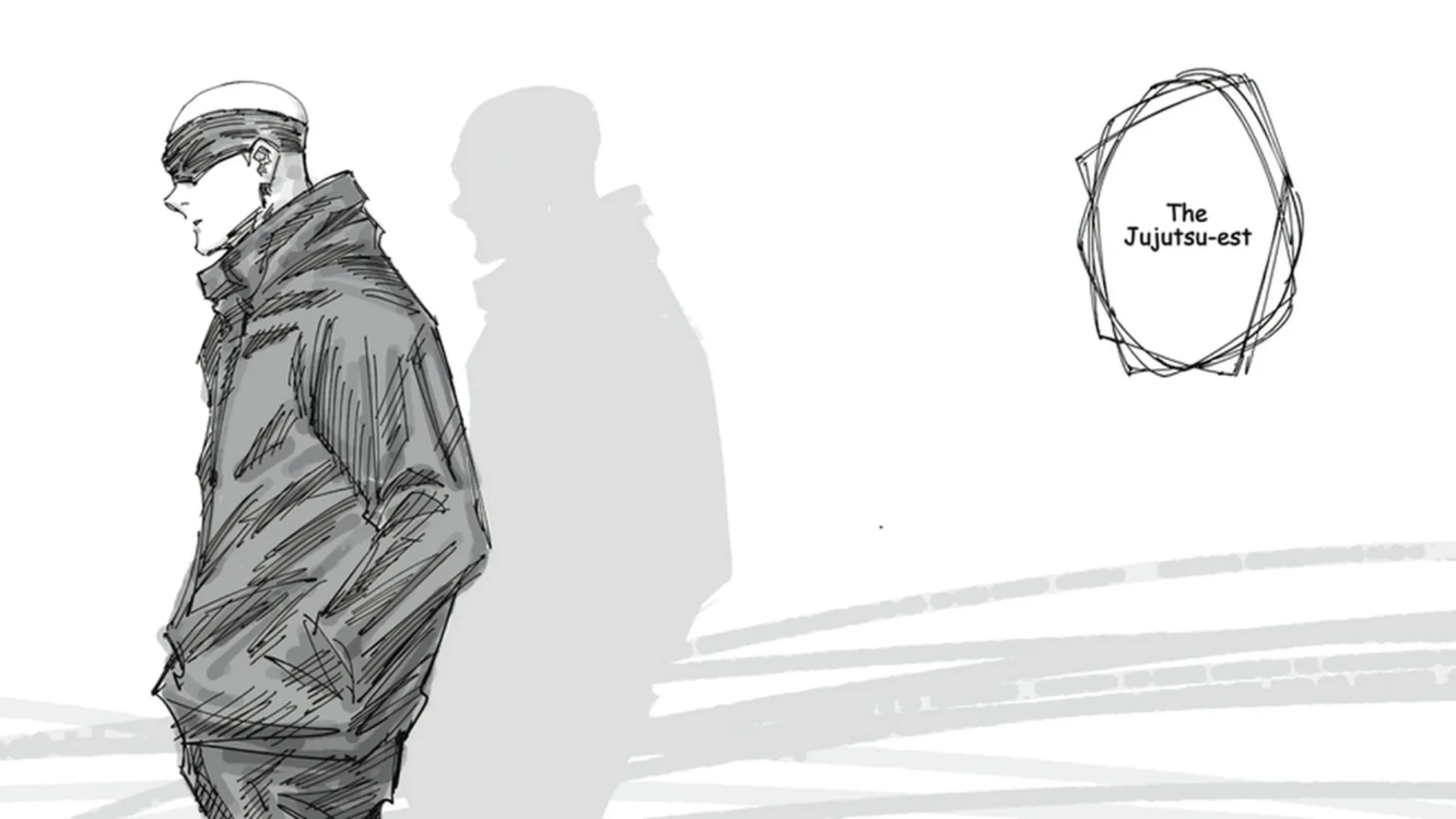
- Jujutsu Shenanigans Toji rewards fast movement, close-range pressure, and careful punish timing.
- Best game plan: create an opening with mobility, confirm your hit, then spend skills in a controlled sequence.
- Main weakness: predictable approaches can be blocked, interrupted, or punished by ranged Styles.
- Beginner focus: learn movement, defensive timing, and one dependable combo before adding advanced routes.
- PvP goal: force opponents to react first instead of rushing every exchange.
Jujutsu Shenanigans Toji Playstyle
Toji is best approached as an aggressive, mobility-focused fighter. His identity comes from threatening opponents at close range, exploiting missed attacks, and converting small openings into sustained pressure. Instead of treating every fight as a race to use skills, build a rhythm around movement, defense, and punish windows.
The strongest Toji players avoid standing directly in front of an opponent for too long. They dash around the edge of the opponent’s range, wait for a predictable attack, and enter immediately after the move misses. This makes Toji especially effective against players who rely on slow skills, repeated projectiles, or unsafe approaches.
Mobility
Use movement to change your approach timing and avoid predictable engagement patterns.
Close Pressure
Convert confirmed hits into short, reliable strings before committing to longer routes.
Punishes
Wait for missed skills, unsafe landings, and blocked attacks that leave the opponent exposed.
Adaptation
Change your entry timing when the opponent begins blocking, dashing, or counterattacking.
Treat movement as part of your offense. A delayed approach often creates a better opening than attacking immediately after every dash.
Core Strengths and Weaknesses
| Category | Toji’s Profile | Practical Advice |
|---|---|---|
| Combat range | Close range | Enter behind movement or after a whiff |
| Main advantage | Fast pressure and punish potential | Attack during recovery windows |
| Main risk | Predictable approaches | Vary dash timing and attack spacing |
| Best habit | Confirm before spending skills | Save at least one defensive option |
| Difficult matchup | Strong zoning and area control | Use cover, angles, and short engagements |
Toji works best when the opponent feels pressured to act. Once they start throwing attacks early, you gain more chances to punish recovery. If they hold block, stop forcing direct attacks and use movement to reposition until their defense becomes predictable.
Recommended Toji Setup and Controls
A good Toji setup should make movement and reaction inputs easy to access. The standard control layout includes basic attacks, four Style-specific skills, dash, block, jump, and Awakening. On PC, the commonly listed combat inputs include M1 for basic attacks, 1–4 for skills, Q for dash, F for block, Space for jump, and G for Awakening.
Your setup should support quick transitions between offense and defense. Toji loses value when a player uses every skill during the first approach and has no tool remaining after the opponent blocks or escapes.
| Input | Primary Function | Toji Application |
|---|---|---|
| Left Mouse Button | Basic attack string | Confirm close-range hits and begin pressure |
| Q | Dash | Approach, retreat, sidestep, or extend pressure |
| F | Block | Stop predictable pressure and prepare a punish |
| 1–4 | Style skills | Convert openings, create pressure, or finish a route |
| Space | Jump | Change approach height and avoid grounded attacks |
| G | Awakening | Use during a confirmed advantage or safe opening |
Skill Management Rules
- Keep one skill available for extending pressure after a successful basic attack.
- Avoid spending every movement option before you know how the opponent will respond.
- Use block when the opponent’s attack pattern becomes repetitive.
- Save Awakening for a meaningful opening rather than activating during panic situations.
- Recheck your spacing after every knockback, wall interaction, or missed skill.
Using every skill and dash during one approach can leave Toji vulnerable. Keep a defensive option available until the opponent’s main threat is understood.
Platform Adjustments
| Platform | Recommended Focus | Common Adjustment |
|---|---|---|
| PC | Fast input transitions | Practice M1-to-skill confirms and Q movement |
| Mobile | Button awareness | Keep dash, block, and skills comfortably separated |
| Controller | Camera and spacing | Practice target tracking before committing to attacks |
Toji Step-by-Step Combat Routine
The safest way to learn Toji is to build a repeatable routine. Begin with movement and defense, then add simple confirms. Advanced players can later incorporate wall pressure, aerial routes, and Awakening conversions.
Scout the Opponent
Watch the first few seconds of the fight before committing. Identify whether the opponent prefers projectiles, rushdown, blocking, jumping, or repeated dash attacks.
Enter at an Angle
Approach from a changing angle instead of moving directly forward. Use short movement bursts and delay your attack if the opponent is already preparing a skill.
Confirm the Opening
Start with a basic attack or low-commitment option. Continue only after confirming that the opponent has been caught and is not immediately escaping.
Spend Skills Carefully
Use one skill to extend pressure, then reassess spacing. Do not automatically use every available ability in the same exchange.
Reset or Finish
If the opponent is pushed away, reset your position and wait for cooldowns. If they remain trapped and your route is confirmed, use the appropriate finisher.
Basic Toji Combat Flow
| Situation | Recommended Response | Reason |
|---|---|---|
| Opponent whiffs a skill | Dash in and confirm with basic attacks | Recovery creates a safer opening |
| Opponent blocks early | Stop attacking and reposition | Repeated pressure becomes predictable |
| Opponent jumps forward | Block, sidestep, or punish the landing | A predictable aerial entry can be intercepted |
| Your skills are on cooldown | Retreat and use movement | Fighting without resources increases risk |
| Multiple players approach | Disengage toward open space | Toji performs better with controlled engagements |
Master one grounded confirm first. Once it works consistently, add an aerial extension or Awakening route instead of learning several difficult combos at once.
Toji Matchups and PvP Tips
Toji’s matchup plan changes according to the opponent’s range and defensive habits. Against close-range Styles, the fight usually revolves around who wins the first approach. Against ranged or summon-based Styles, patience and positioning become more important than constant aggression.
Matchup Priorities
| Opponent Type | Threat | Toji Game Plan |
|---|---|---|
| Rushdown Style | Fast close-range pressure | Block first, then punish unsafe commitment |
| Ranged Style | Projectiles and spacing control | Approach behind movement and attack after missed shots |
| Summon Style | Layered threats and area control | Avoid fighting inside multiple active effects |
| Transformation Style | Mix-ups and unusual timing | Keep distance briefly and react to confirmed movement |
| Team utility Style | Repositioning and disruption | Separate the target from allies before committing |
Against ranged opponents, do not dash in a straight line at the first visible projectile. Change your timing, use the arena to break sightlines, and approach after the opponent has spent an important tool. A failed approach is often more damaging than waiting for a better one.
Against summon or area-control Styles, focus on the player rather than blindly attacking the summon. If several threats occupy the same space, retreat and force the opponent to chase. Toji gains more value from a clean punish than from a desperate entry into layered effects.
Common Mistakes
- Dashing forward at the same rhythm every time.
- Attacking immediately after being blocked.
- Chasing a low-health opponent into a crowded area.
- Using Awakening while standing inside an active enemy attack.
- Spending all skills before confirming the first hit.
- Ignoring cooldowns and attempting another engagement too quickly.
If you cannot explain why you are entering, do not enter yet. Wait for a whiff, a cooldown, a blocked attack, or a predictable movement pattern.
Arena Habits
- Keep open space behind you whenever possible.
- Avoid cornering yourself while watching another player.
- Use walls and structures to interrupt ranged pressure.
- Reset after knockback instead of forcing a low-probability chase.
- In team fights, attack targets already pressured by an ally.
Toji Training Checklist and Advanced Goals
Practice should be measurable. Instead of judging improvement only by wins, track whether you are making better decisions during neutral exchanges. Toji becomes more consistent when you reduce unnecessary risks and recognize openings earlier.
Toji Practice Goals:
- Perform a basic attack confirm without spending every skill
- Change dash timing during three consecutive approaches
- Block and punish one predictable enemy attack
- Retreat safely when major skills are unavailable
- Use Awakening after creating a confirmed advantage
Training Plan
| Training Stage | Main Goal | Success Indicator |
|---|---|---|
| Foundation | Movement and blocking | You stop entering on autopilot |
| Confirmation | Basic attack routes | You recognize when a hit is confirmed |
| Punishment | Recovery timing | You attack after missed or unsafe skills |
| Pressure | Controlled skill usage | You keep a defensive option available |
| Advanced | Team fights and Awakening | You choose targets and timing deliberately |
Beginner Goal
Win neutral exchanges through blocking, movement, and one dependable confirm.
Intermediate Goal
Mix delayed approaches with direct entries so opponents cannot predict your timing.
Advanced Goal
Create pressure without overcommitting, then convert team-fight openings into decisive damage.
Balance changes can affect cooldowns, hit behavior, and matchup value. Recheck the official Roblox experience page and official Discord before treating a route as current.
Final Toji Principles
- Move first, attack second.
- Confirm before committing.
- Block when the opponent becomes predictable.
- Keep one option for defense or escape.
- Reset when the exchange stops favoring you.
Q: What makes Jujutsu Shenanigans Toji different from other Styles?
Toji emphasizes mobility, close-range pressure, and punish timing. The Style rewards players who can approach from changing angles and capitalize on missed attacks.
Q: Is Toji beginner-friendly?
Toji can be approachable because the core plan is easy to understand, but consistent results require movement discipline, defensive timing, and careful skill management.
Q: What is the best way to approach ranged opponents with Toji?
Avoid predictable straight-line dashes. Change your timing, use available cover, wait for projectiles or major skills to miss, and then enter during recovery.
Q: When should Toji use Awakening?
Use Awakening after creating a safe opening, during a confirmed advantage, or when the opponent is committed to a long animation. Avoid activating while surrounded or under active pressure.